
The sun setting over a calm open sea, nothing but the horizon and the water
Barrier island sanctuary

Outdoor kitchens on Sanibel

FREILUFT kitchens made to order in Germany, prepared for the City's permit and the island's rules and installed by Florida-licensed contractors.

01 Sanibel

An outdoor kitchen on Sanibel joins an island that chose to stay wild, with dark nights and native gardens. It is planned around the island's own rules.

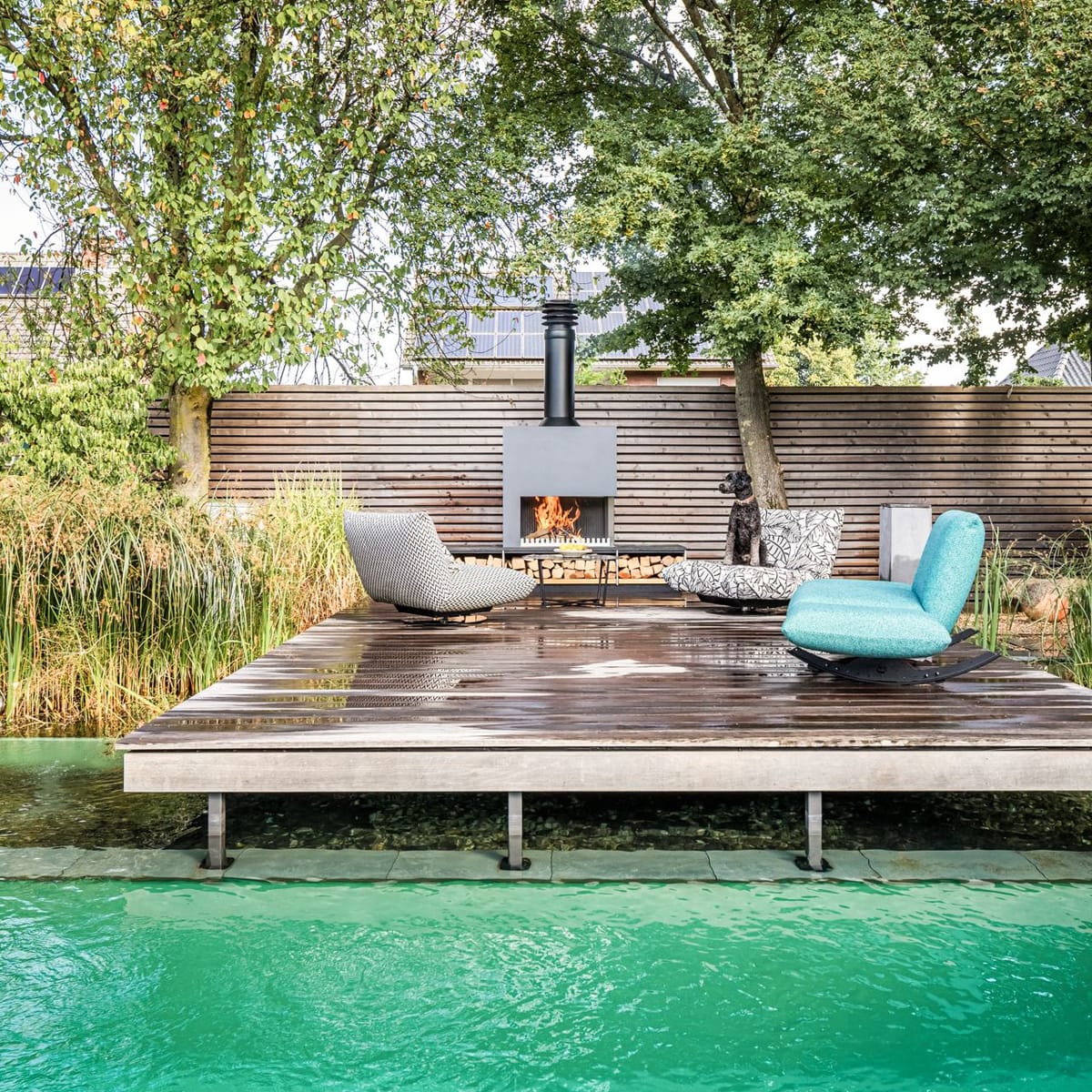
Natural pool with a wooden deck, lounge chairs and a freestanding wood-burning fireplace, dog on a chair, trees behind

02 Planning

Planning an outdoor kitchen on Sanibel

Three things shape a kitchen on Sanibel: the water, the light and the lot.

Every structure has to fit its neighborhood, the ecological zone limits how much of the lot can be built on, and most of the island lies in a flood zone. We place the kitchen with these rules in mind, plan its lights to shine down, prepare the documents for the City and plan its gas, power and water connections.

For new homes on Sanibel, the City asks for roof truss engineering based on a design wind speed of 170 mph. Because the Florida Building Code places every area with an ultimate design wind speed of 140 mph or more in the wind-borne debris region, Sanibel lies within that region. At Fort Myers Page Field, the nearest NOAA climate normals station about 17.5 miles northeast of Sanibel, about two thirds of the average 57.41 inches of yearly rain falls from June through September, when average highs reach 91 to 92 °F (1991–2020 normals). The City of Sanibel describes local conditions as including drought, occasional saltwater flooding and heavy summer rains. FREILUFT cabinets use 5/16 in (8 mm) marine-grade aluminum, finished with Off-Shore powder coating with a chromate-free, nano-ceramic pre-treatment, and have storm hooks in the plinth that secure the doors.

03 Up close

Sanibel, up close

Sanibel is its own city on a barrier island in Lee County, with its own permits and the Sanibel Plan.

A palm frond in front of the sunlit turquoise water of a pool

An island that chose to stay wild

Sanibel is a city on a barrier island off the coast of Lee County, linked to the mainland by the Sanibel Causeway and to neighboring Captiva Island by the Blind Pass Bridge. More than 60 percent of the city's area is in conservation use, including more than eight square miles of the J. N. "Ding" Darling National Wildlife Refuge. The J. N. "Ding" Darling National Wildlife Refuge was created in 1945 as the Sanibel National Wildlife Refuge and renamed in 1967 for the conservationist Jay Norwood "Ding" Darling. It protects mangrove-fringed island habitat and feeding, nesting and roosting areas for migratory birds, and more than 40 percent of the refuge is designated wilderness.
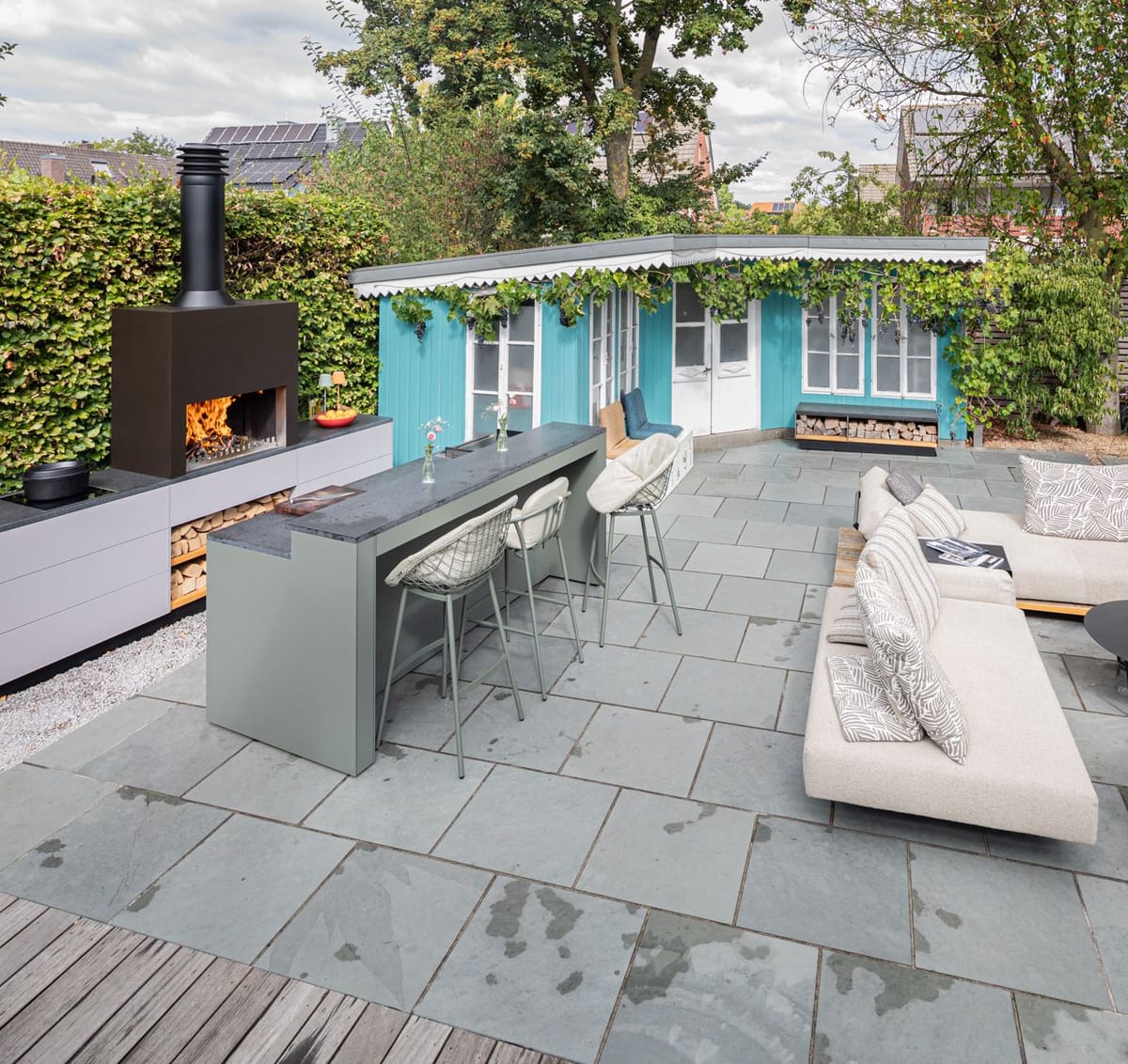
Garden patio with a wood fire under a black steel hood, light gray kitchen, green bar with stools and a lounge sofa

A plan older than most houses

A ferry ran between Punta Rassa and Sanibel from 1912 until the first Sanibel Causeway opened in 1963, which set off a building boom on the island, and the current causeway bridges opened in 2007. Sanibel became a city in 1974 and first adopted its comprehensive plan, the Sanibel Plan, on July 19, 1976. Sanibel's Vision Statement, adopted in 1996 as part of the Sanibel Plan, says that Sanibel is and shall remain a barrier island sanctuary where people live in harmony with the island's wildlife and natural habitats, and it ranks sanctuary above community and attraction. The City is currently updating the Sanibel Plan, which turns 50 in 2026.

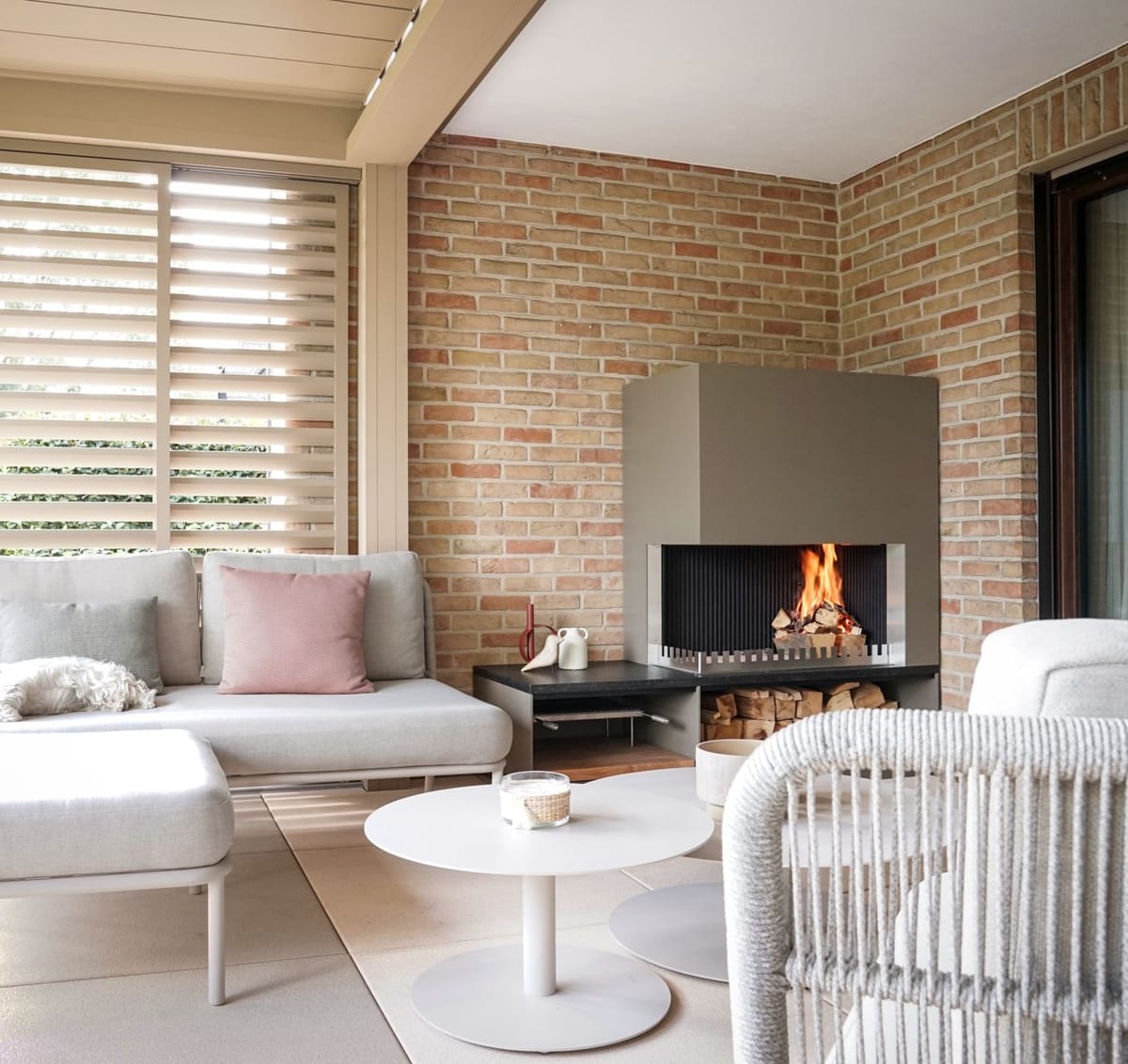
Covered lounge with louvered roof, sofas, round tables and a wood fire in a steel fireplace unit, dog on the sofa

Permits start at City Hall

On Sanibel the City issues its own permits, and a city development permit is required for all development, including any material change in the external appearance of a structure or land. New construction and structural exterior work are reviewed by the City's planning staff before the Building Division, which applies the 2023 Florida Building Code, 8th Edition. Sanibel's code bars building or altering any structure in a way that is inharmonious with the character of its established neighborhood, and disagreements with the Planning Department over this standard can go to the Planning Commission. For new homes and exterior changes that alter a home's size and mass, the City mails notice to owners within 300 feet and to a registered homeowners' association at least 14 days before issuing the permit.

Learn more : Permits start at City Hall
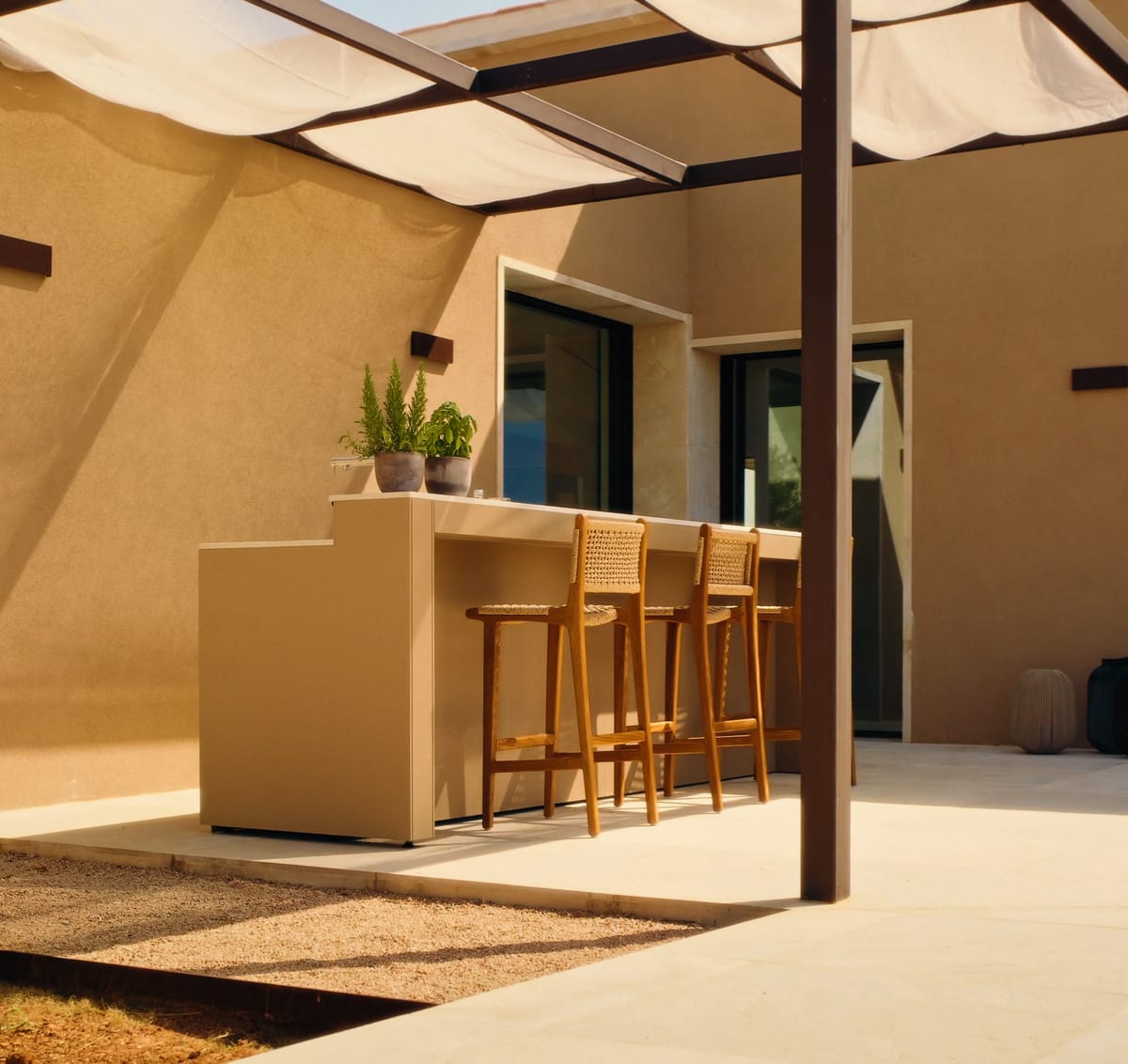
A sand-colored FREILUFT bar counter with three wooden stools under a pergola with a sunshade, beside a sand-colored house

A kitchen that fits the lot

On Sanibel an accessory structure must stand at least 10 feet from the house unless it is attached to and an integral part of it, at least 6 feet from other accessory structures, and no taller than the house. It must meet the same front, side, rear and waterfront setbacks as the house, and accessory buildings may not sit between the house and the street unless they are more than 150 feet from the front lot line. Sanibel sets its development limits by ecological zone, and in the Mid-Island Ridge zone, for example, impermeable surfaces may cover at most 30 percent of a lot and cleared or developed area at most 35 percent, compared with 25 and 30 percent in the Gulf Beach Ridge zone. In both zones no structure may exceed 45 feet NAVD, side and rear setbacks are at least 10 feet, and the house must stay at least 20 feet from any open body of water, which includes canals, ponds and bays. On Sanibel's Gulf beach, the Gulf Beach Zone seaward of the City's 1974 coastal construction control line allows no permanent structure or fixture of any type and no fences. Seaward of the state's coastal construction control line for Lee County, set in its current form in 1991, construction also falls under the Florida Department of Environmental Protection, which regulates structures that can cause beach erosion or destabilize dunes. How your kitchen is classified, we clarify with the City during planning.

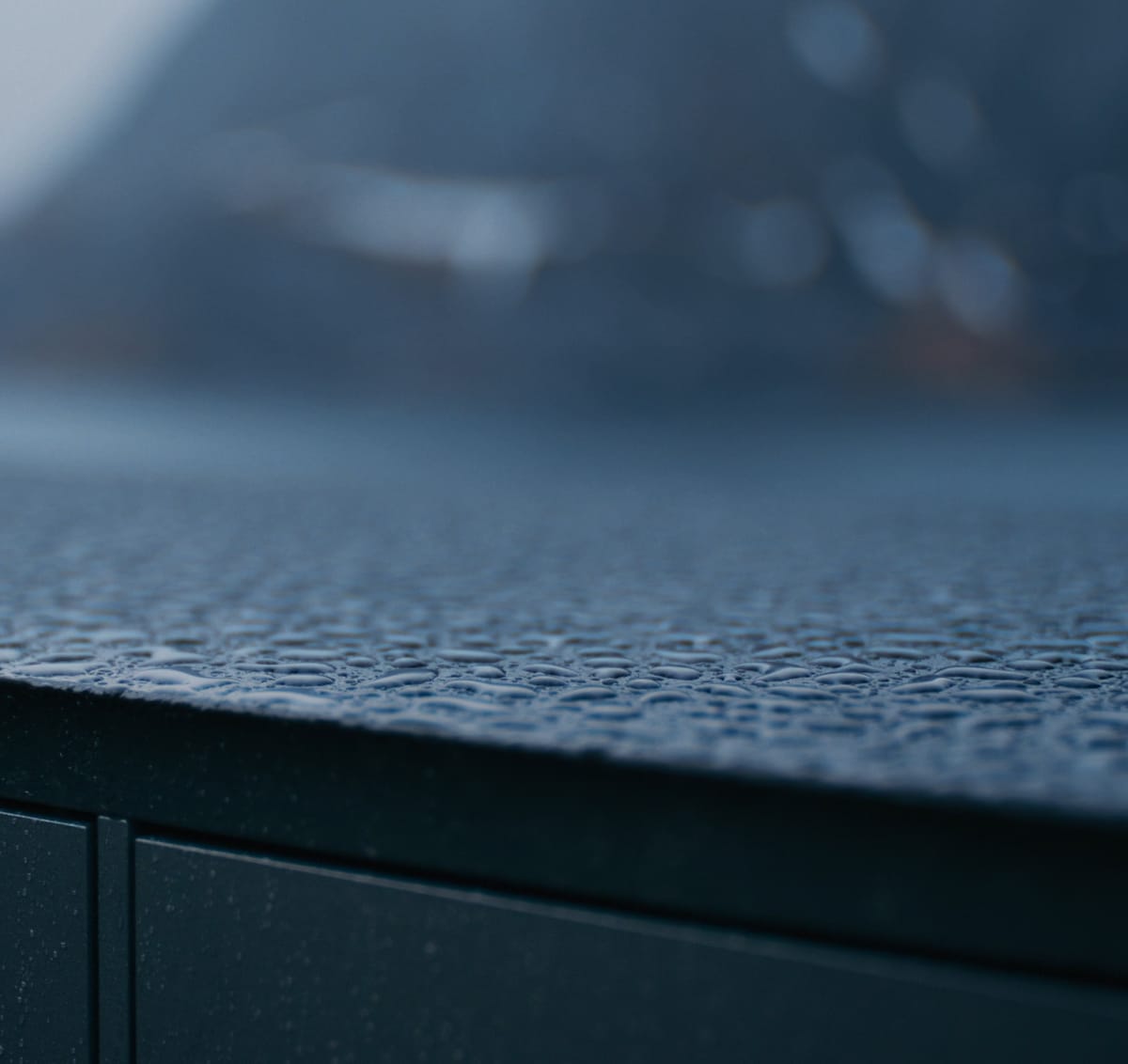
Raindrops on the dark stone countertop and anthracite fronts of an outdoor kitchen, a mountain out of focus behind it

Planned for the water that came

The National Hurricane Center reports maximum storm surge inundation of 9 to 13 feet above ground on the eastern part of Sanibel during Hurricane Ian on September 28, 2022, and a USGS sensor on the island measured 12.58 feet above mean higher high water. The surge washed out sections of the Sanibel Causeway, leaving the island reachable only by boat or helicopter and cutting off vehicle traffic for nearly a month. Most of Sanibel lies in FEMA flood zones AE or VE, and the City also lists AO and X zones and Coastal A zones with moderate wave action, with the current FEMA flood maps for Sanibel in effect since November 17, 2022. The City's 2026 vulnerability assessment found that a present-day 100-year storm surge would flood 99.1 percent of the city's land area. On Sanibel, permits for repairs, alterations and improvements are reviewed under the FEMA 50 percent rule, and if the cost reaches 50 percent of the building's market value the structure must be brought up to current flood standards. The City takes market value from the Lee County Property Appraiser or a licensed appraisal, and compliance can mean elevating the building or raising mechanical and electrical components.

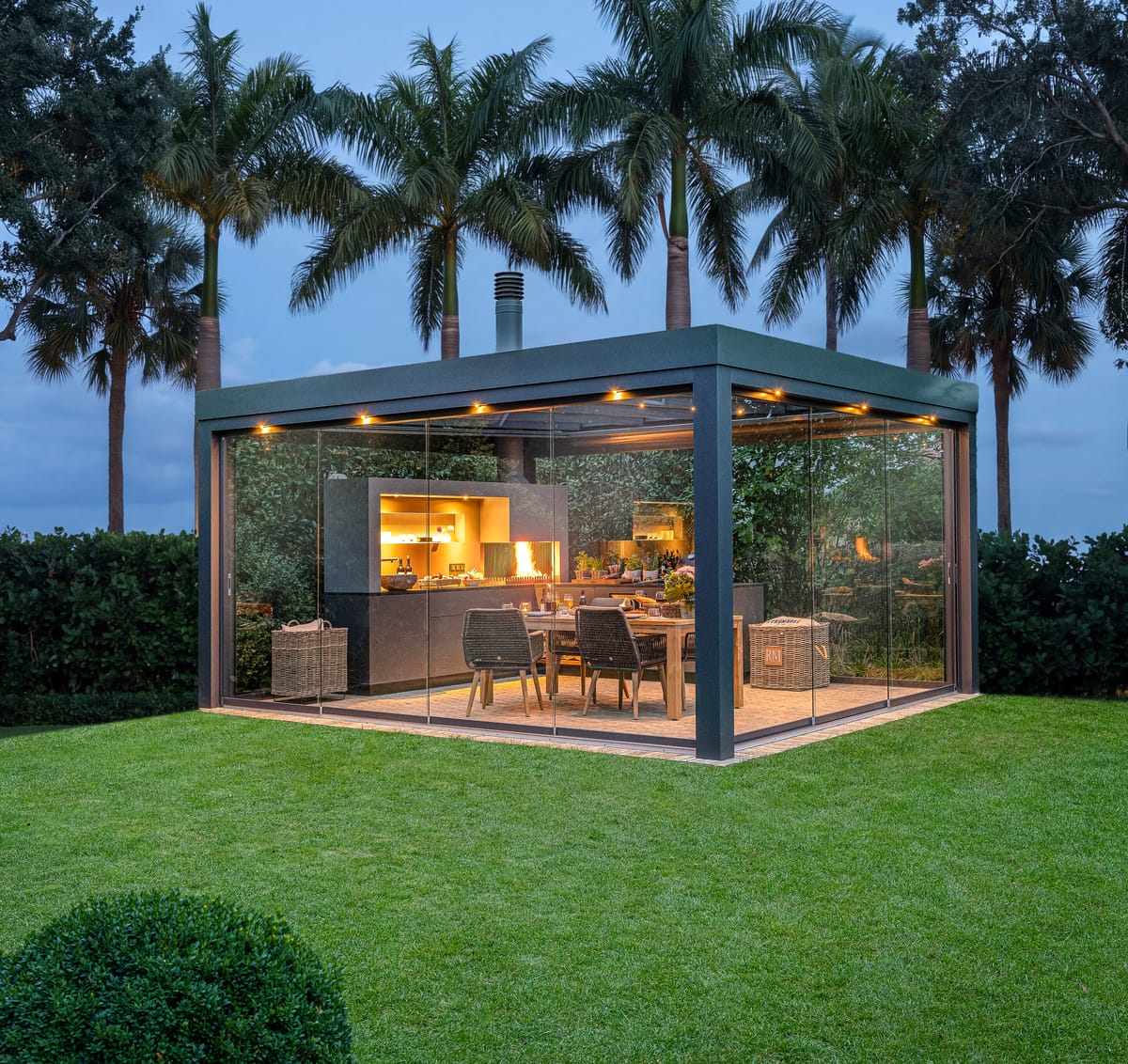
Glass-walled pergola in a garden at dusk with a lit outdoor kitchen, wood fire and dining table inside

Dark nights and native green

Across Sanibel, outdoor lights must be full cutoff fixtures that shine downward, uplighting is prohibited and light may not cross property lines. Lights within sight of the beach must not show their light source to the beach and must use long-wavelength lamps above 560 nanometers, a rule that applies year-round, while the code defines the marine turtle nesting season as May 1 to October 31. When a Sanibel lot is newly developed or redeveloped, or its home substantially improved, at least 75 percent of all in-ground trees, shrubs and groundcover must be native species, planting invasive exotic plants is prohibited, and only native plants may be planted in the Gulf Beach Zone. The City administers the state's mangrove trimming rules on the island and requires a vegetation permit for any trimming or alteration of mangroves.

04 Starting points

Starting points for Sanibel

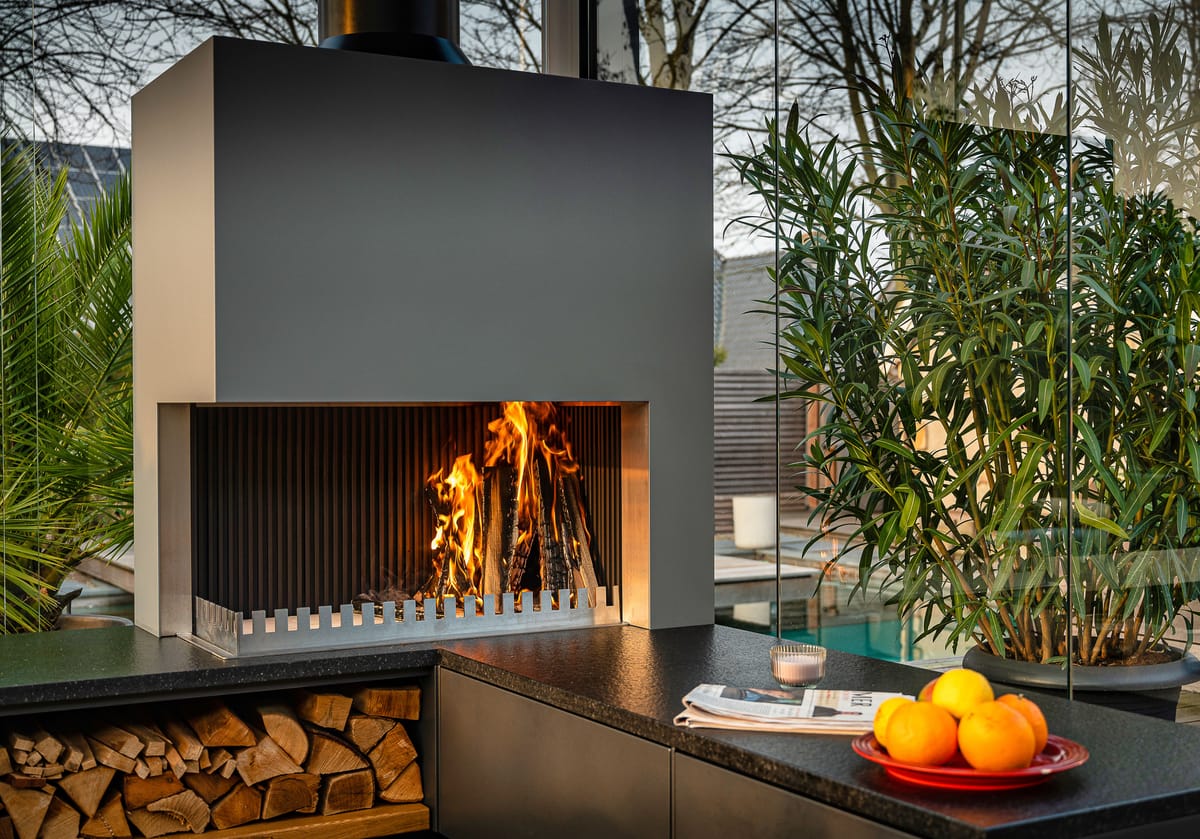
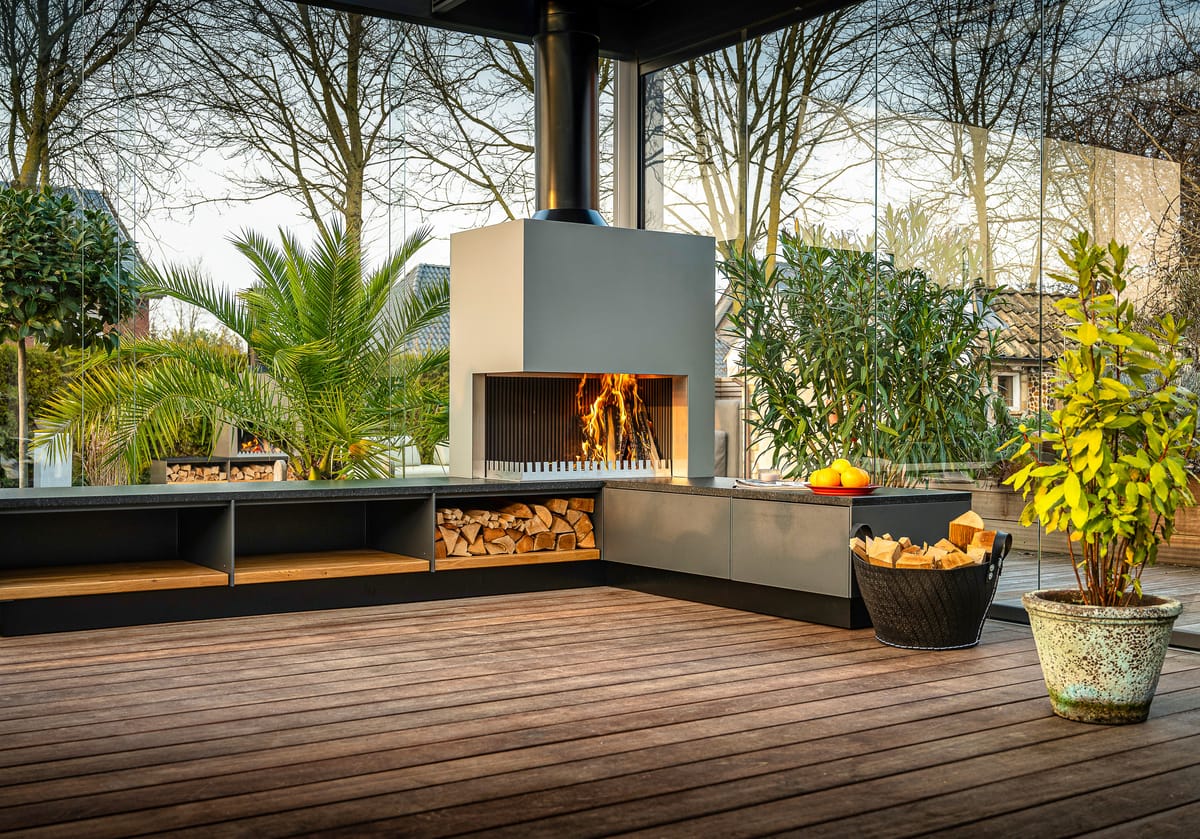
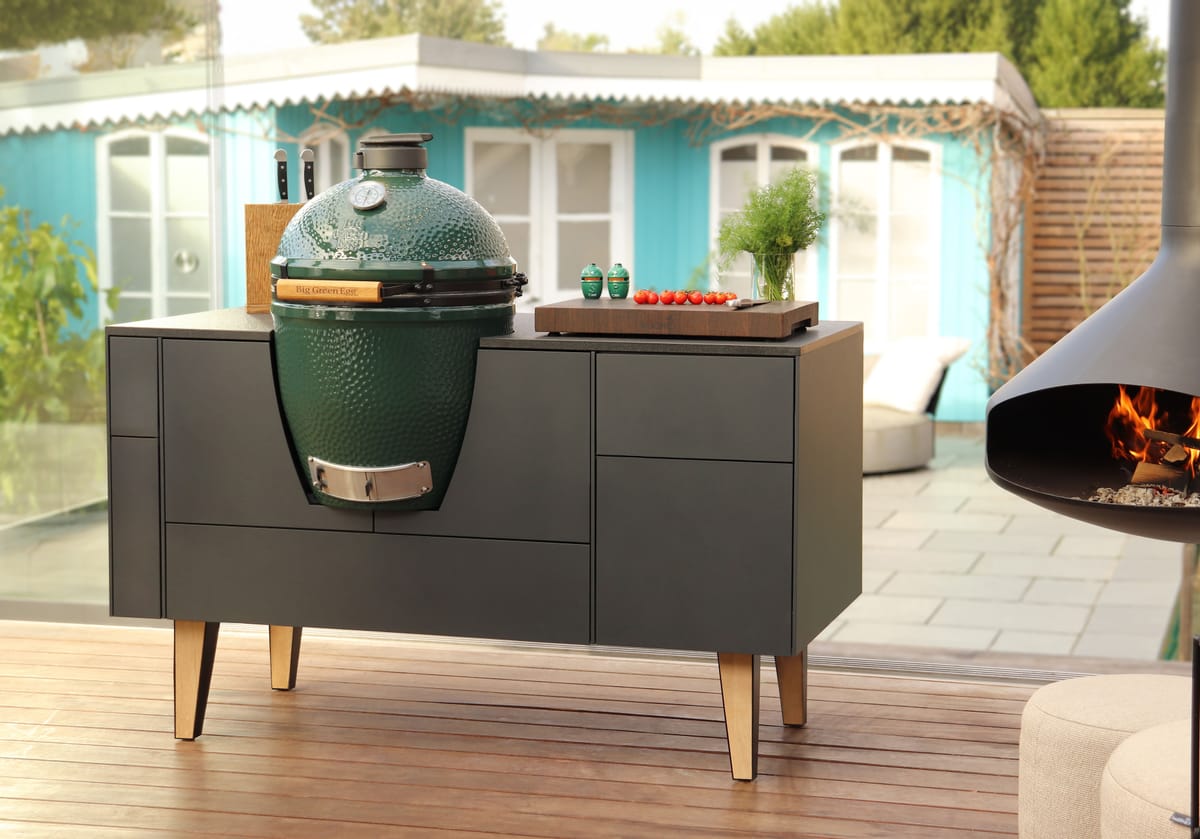
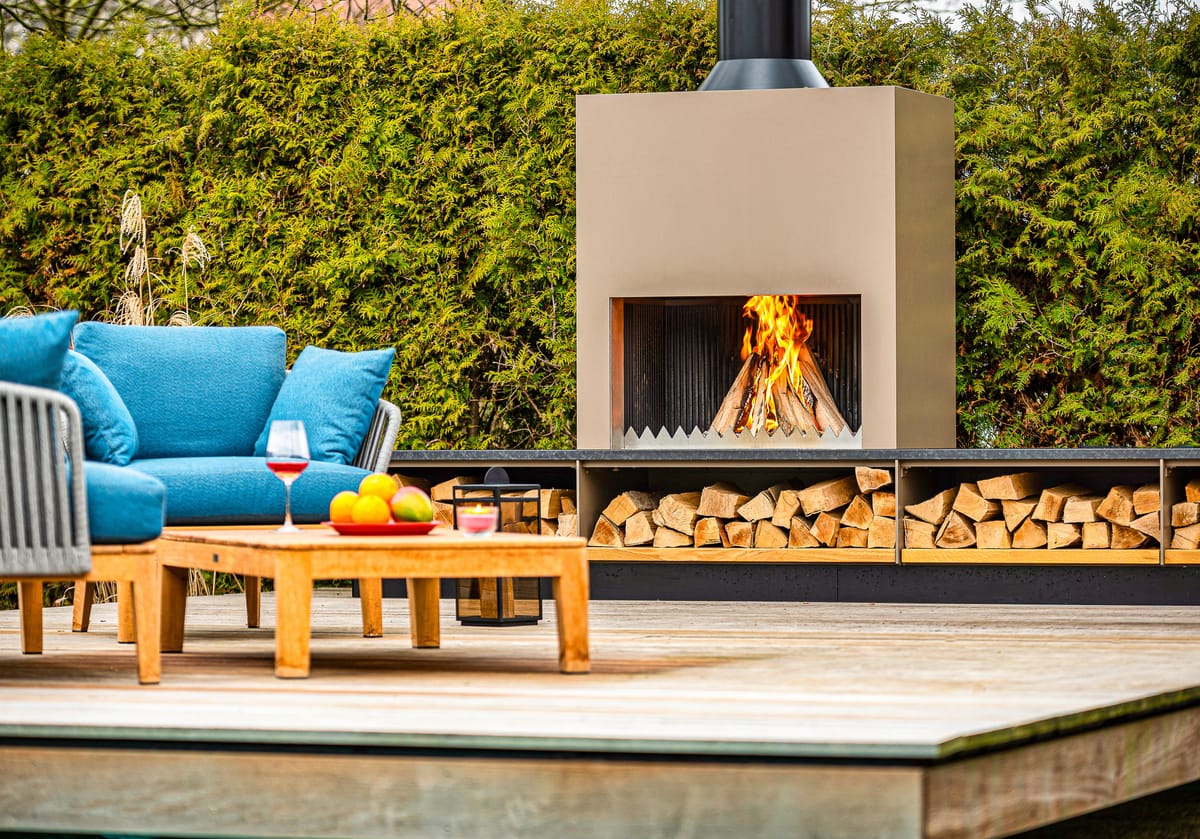
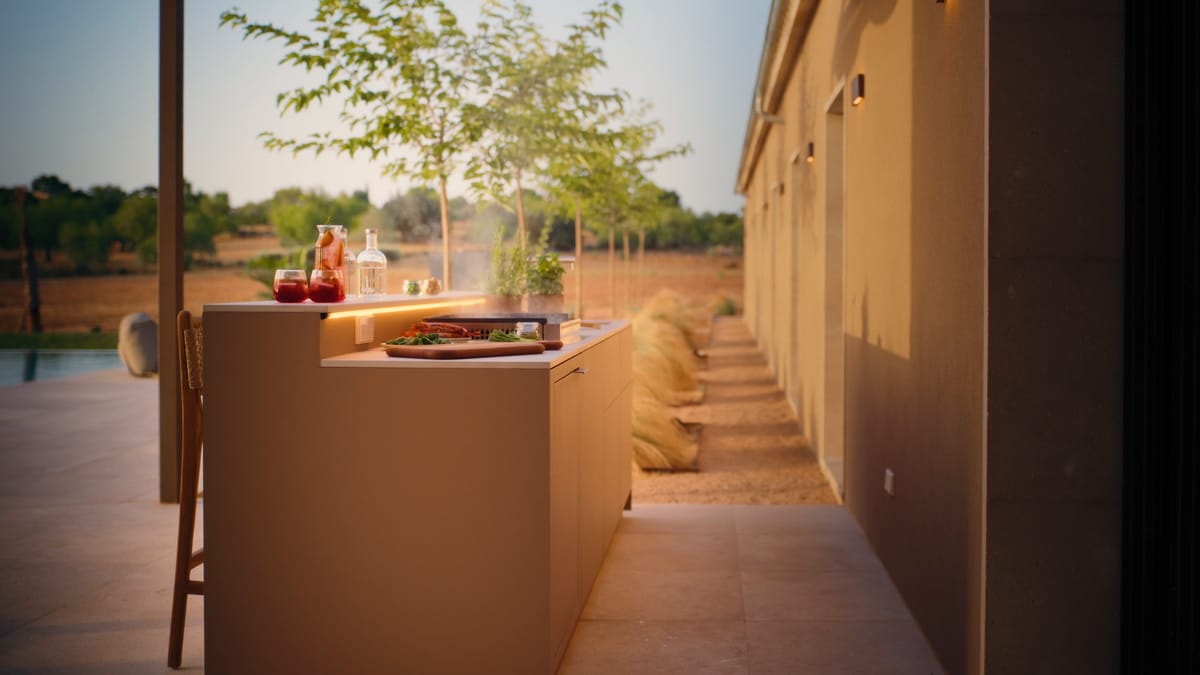
Four layouts to start an island plan with, kept quiet and low. The photos show FREILUFT kitchens in Europe, not projects on Sanibel. We plan and supply kitchens throughout Sanibel, on Captiva, in Fort Myers and across Lee County. For ideas, start with our built-in outdoor kitchens, the wood-fired grill and the aluminum outdoor kitchen cabinets.

Questions about Sanibel

Frequently asked questions

On Sanibel the City issues its own permits, and a city development permit is required for all development, including any material change in the external appearance of a structure or land. New construction and structural exterior work are reviewed by the City's planning staff before the Building Division, which applies the 2023 Florida Building Code, 8th Edition. We prepare the documents with licensed partners.

Your kitchen on Sanibel

A kitchen for your Sanibel garden, planned for the island rules and made to order in Germany. One contact plans it with you and hands it over.

Plan your kitchen for Sanibel

Tell us about your island home and what the garden should keep. We reply personally within one business day.

Step 1 of 3
  1. About you
  2. Your project
  3. Timing and scope
About you

Five digits. We use it to plan delivery and the right contractors for your area.

  • Made to order
  • Planned for your flood zone
  • Planned in Florida
  • Warranty by Ensch Outdoor Living LLC

Request a Design Consultation